
Understanding the Fundamentals of Bluffing
Bluffing is a crucial strategy in poker that allows players to deceive their opponents into thinking they have a stronger hand than they actually do. This tactic is not merely about telling falsehoods; it intricately intertwines with reading the games’ dynamics and understanding your opponents’ behaviors. Success in bluffing requires a solid grasp of game fundamentals, including hand rankings, betting patterns, and the psychological aspects of decision-making. Many players, when developing their skills, consider strategies for jumping to more advanced techniques that can significantly differentiate a novice from a seasoned player, making it essential to understand this strategy deeply.
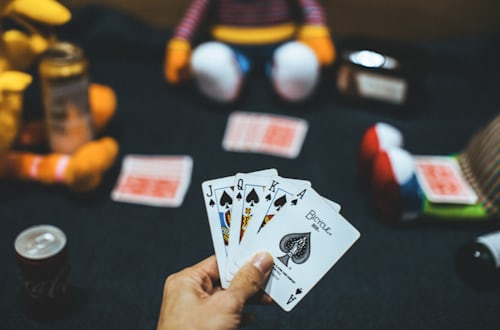
Each poker variant provides different opportunities for bluffing, whether in Texas Hold’em or Omaha. For instance, the community cards in Texas Hold’em create a shared experience among players, intensifying the bluffing potential. Players may feel more confident to bluff when they see a perceived strong board with high cards, leading them to assume others have equally strong hands. Recognizing these opportunities can enhance your bluffing strategy, allowing you to navigate the game more effectively and exploit your opponents’ assumptions.
Another fundamental aspect of bluffing involves timing. The best bluffs are often executed at the right moments, such as during a late round when players are emotionally invested in the game. Understanding when emotions run high can create the perfect storm for a bluff to succeed. Moreover, consistent betting patterns and recognizing changes in opponents’ behaviors will equip you to choose the right moments for your bluff, maximizing your chances of winning and maintaining the psychological edge over your opponents.
Types of Bluffs to Master
There are several types of bluffs that every poker player should become familiar with to enhance their gameplay. One common form is the “pure bluff,” where a player bets aggressively with no chance of winning if called. This technique relies heavily on reading the table and understanding opponents’ tendencies. Players who effectively utilize pure bluffs often do so when they believe their opponents are weak or unsure, essentially forcing them into a tough decision. This creates a scenario where even a small bet can lead to a significant fold, allowing you to win the pot without having a strong hand.
Another type is the “semi-bluff,” which occurs when a player bets with a hand that has the potential to improve. This strategy is particularly useful because even if the bluff is called, there’s still an opportunity to win if the turn or river cards enhance your hand. For example, if you possess a flush draw and make a bet, you’re not solely relying on the bluff; you’re also banking on the possibility of completing your flush. This layered approach allows players to take risks without completely relying on the bluff itself, creating a safety net that can lead to future success.
Finally, the “reverse bluff” represents a more advanced strategy. In this scenario, a player may bet small with a strong hand to induce their opponents to commit more chips with weaker hands. This not only disguises the strength of their hand but also capitalizes on their opponents’ potential misconceptions about the player’s confidence. Mastering these different types of bluffs can provide players with a well-rounded arsenal, helping them adapt to various situations during gameplay and ensuring they remain unpredictable at the table.
Reading Your Opponents
Effective bluffing isn’t solely about the cards you hold; it heavily depends on your ability to read your opponents. Paying attention to their behavior, betting patterns, and even body language can offer valuable insights into their hand strength. For instance, if a player suddenly becomes more aggressive or starts betting significantly larger amounts, it could indicate either a strong hand or an attempt to bluff. Recognizing these cues can enhance your decision-making process and make your bluffing efforts more effective.
Additionally, understanding players’ personalities is crucial. Some players are more prone to fold when faced with aggression, while others might call down with weak hands due to stubbornness or overconfidence. Identifying these traits can help tailor your bluffing strategy to exploit weaknesses in your opponents’ gameplay. By adjusting your approach based on their tendencies, you can increase your chances of a successful bluff considerably, turning their weaknesses into your strengths.
Moreover, developing the ability to create a story through your betting pattern is essential. Each bet should tell a consistent narrative that supports your bluff. For example, if you start with low bets and gradually increase them, your opponents may perceive you as holding a strong hand. However, if your story does not align with the action, experienced players may start to suspect a bluff, which could lead to your downfall. Therefore, ensuring that your narrative is both believable and consistent is key to successful bluffing, as it builds confidence in your opponents’ minds about the validity of your hand.
The Psychology Behind Bluffing
The psychology of bluffing in poker is complex and involves both self-control and an understanding of others. Honing your emotional intelligence can greatly enhance your bluffing abilities. Players must remain calm and composed while executing a bluff, as any sign of hesitation can signal weakness to observant opponents. Building confidence in your ability to bluff creates an aura of authority at the table, making opponents less likely to challenge you, even when they suspect a bluff.
Moreover, the psychological warfare that occurs during a game of poker cannot be underestimated. Players constantly second-guess each other, trying to determine who is bluffing and who genuinely holds a strong hand. By fostering an unpredictable image at the table, you can keep your opponents off-balance. This involves mixing solid play with well-timed bluffs, creating a reputation that makes opponents question their instincts and decisions, thus giving you the upper hand in the game.
Finally, understanding the concept of “reverse psychology” can also be beneficial. Players may opt for calling bluffs based on previous experiences with you. If you frequently bluff against a particular opponent, they may remember that during future games and become hesitant to call your bets. By alternating your strategies and occasionally showing strong hands when you bluff, you set a dynamic that keeps your opponents guessing and increases your overall success rate in the long run, as they struggle to ascertain your true intentions.
Your Trusted Resource for Poker Mastery
Embarking on the journey to master the art of bluffing in poker is both challenging and rewarding. With the right resources and a commitment to improving your skills, you can significantly enhance your gameplay. Engaging with seasoned players, participating in forums, and watching tutorials can provide invaluable insights into advanced bluffing techniques tailored to various scenarios. The poker community is rich with knowledge that can help you refine your approach and elevate your game.
Additionally, practicing regularly in a variety of settings will help you refine your strategy and develop a keen understanding of when and how to bluff effectively. The more experience you accumulate, the easier it will become to read opponents and adapt your strategies accordingly. Remember, poker is as much about strategy and psychology as it is about the cards you hold, and honing these skills can lead to a more fulfilling experience at the table.
Ultimately, the road to becoming a proficient player involves continuous learning and adaptation. By utilizing available resources and insights, you can cultivate a strong poker persona and elevate your bluffing game to new heights. Embrace the art of bluffing, and transform your poker experience into one of calculated risks and rewarding victories, ensuring that you become a player others respect and fear at the table.

